The Blog
all around reviews and the importance of customer service
Understanding CRM
"How you gather, manage, and use information will determine whether you win or lose."
Bill Gates, co-founder of Microsoft
Unlocking the Benefits of Customer Relationship Management (CRM)
In today's highly competitive business landscape, building strong and lasting relationships with customers is more critical than ever. This is where Customer Relationship Management (CRM) comes into play.
A CRM is a powerful tool that helps businesses manage their interactions with customers and potential clients, streamlining processes and fostering long-term loyalty.
In this blog post, we'll dive into the world of CRM, exploring its key features and the numerous benefits it offers to businesses of all sizes.
What is CRM?
At its core, CRM is a system that allows businesses to manage and analyze customer interactions and data throughout the customer life-cycle.
It often feels overwhelming at first, but it's well worth getting starte as early as possible, as it will simplify your processes gonig forward as your business evolves.
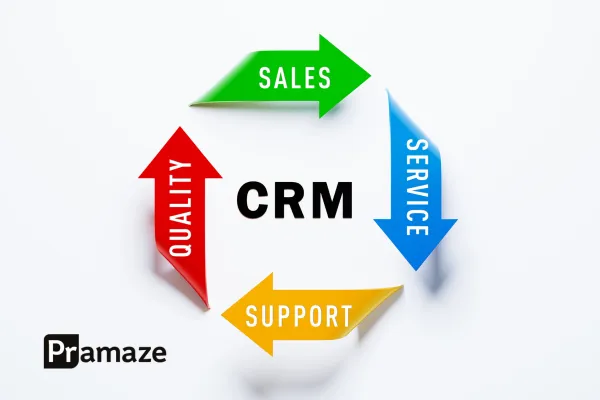
A CRM involves the use of technology to organize, automate, and synchronize sales, marketing, customer service, and technical support activities. By centralizing customer data, a CRM enables businesses to gain a comprehensive view of their customers, facilitating personalized and targeted communication.

The Key Features of CRM
Contact Management: CRM systems provide a centralized database for storing and managing customer information, including contact details, purchase history, and communication records. This allows teams to access up-to-date customer data, ensuring consistent and informed interactions.
Sales Management: CRM tools help streamline the sales process by tracking leads, opportunities, and sales pipelines. Sales teams can monitor the progress of deals, set reminders for follow-ups, and generate reports to analyze sales performance.
Marketing Automation: CRM systems often integrate with marketing automation tools, enabling businesses to create and execute targeted marketing campaigns. This includes email marketing, social media management, and lead nurturing, helping to attract and engage potential customers.
Customer Service: CRM solutions provide a platform for managing customer inquiries, complaints, and support tickets. Customer service representatives can access customer history, track issue resolution, and provide timely and personalized support.
Analytics and Reporting: CRM systems offer robust analytics and reporting capabilities, allowing businesses to gain insights into customer behavior, sales trends, and campaign effectiveness. This data-driven approach helps inform strategic decision-making and optimize business processes.
The Benefits of Using a CRM
Enhanced Customer Relationships: By centralizing customer data and interactions, a CRM enables businesses to deliver personalized experiences and build stronger, more meaningful relationships with customers. This leads to increased customer satisfaction, loyalty, and advocacy.
Improved Sales Efficiency: a CRM streamlines the sales process, automating repetitive tasks and providing sales teams with the tools they need to close deals more effectively. This includes lead tracking, opportunity management, and sales forecasting, resulting in increased productivity and revenue growth.
Better Marketing Effectiveness: a CRM integrates with marketing automation tools, allowing businesses to create targeted and personalized marketing campaigns. By segmenting customers based on their preferences and behavior, businesses can deliver relevant content and offers, increasing conversions and customer engagement.
Increased Customer Retention: a CRM helps businesses identify and address customer pain points, resolve issues promptly, and proactively engage with customers. By providing exceptional customer service and support, businesses can reduce churn rates and foster long-term customer loyalty.
Data-Driven Decision Making: a CRM provides businesses with valuable insights into customer behavior, sales trends, and campaign performance. By analyzing this data, businesses can make informed decisions, optimize processes, and identify growth opportunities.
So Do I Really Need A CRM?
In today's customer-centric business environment, implementing a CRM system is no longer a luxury but a necessity.
By leveraging the power of a CRM, businesses can streamline their operations, enhance customer relationships, and drive sustainable growth.
Whether you're a small startup or a large enterprise, investing in a CRM solution can transform the way you interact with customers and unlock new levels of success.
So, if you haven't already, it's time to embrace a CRM and take your business to new heights.

One of our clients went from an average of 7 reviews per year, to over 80
All while maintaining their 5-star rating
By adding our software to their automated customer journey, we helped them increase their online review score across a number of platforms with zero extra effort
7 day free trial, cancel anytime